
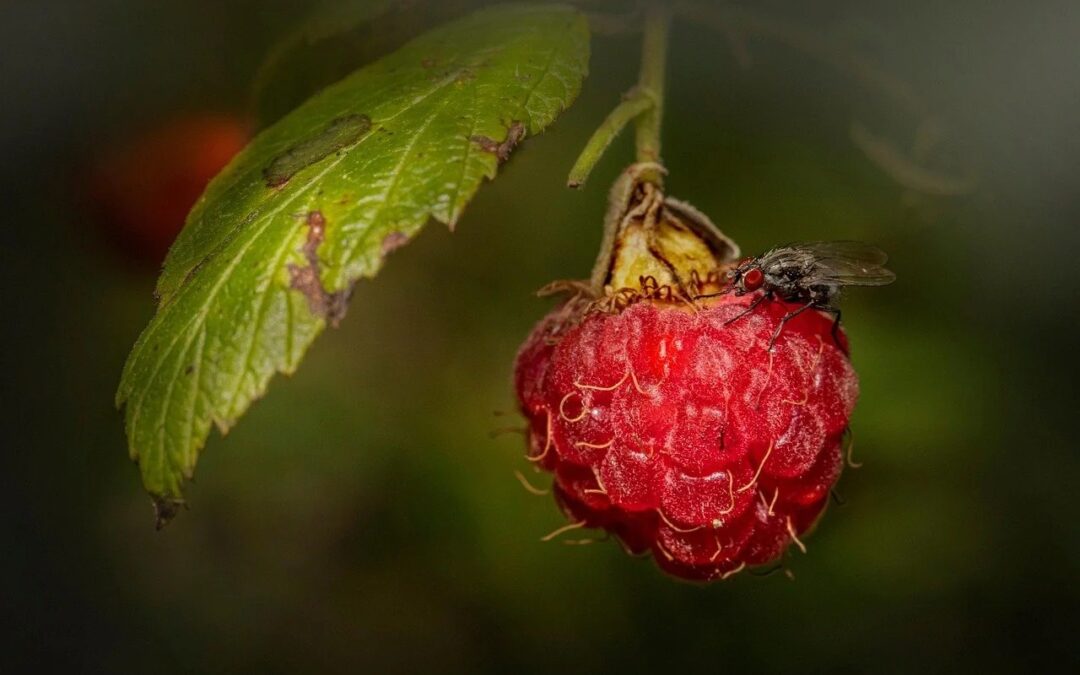
What Happens When Insects Meet 5G? ETAIN Takes a Closer Look
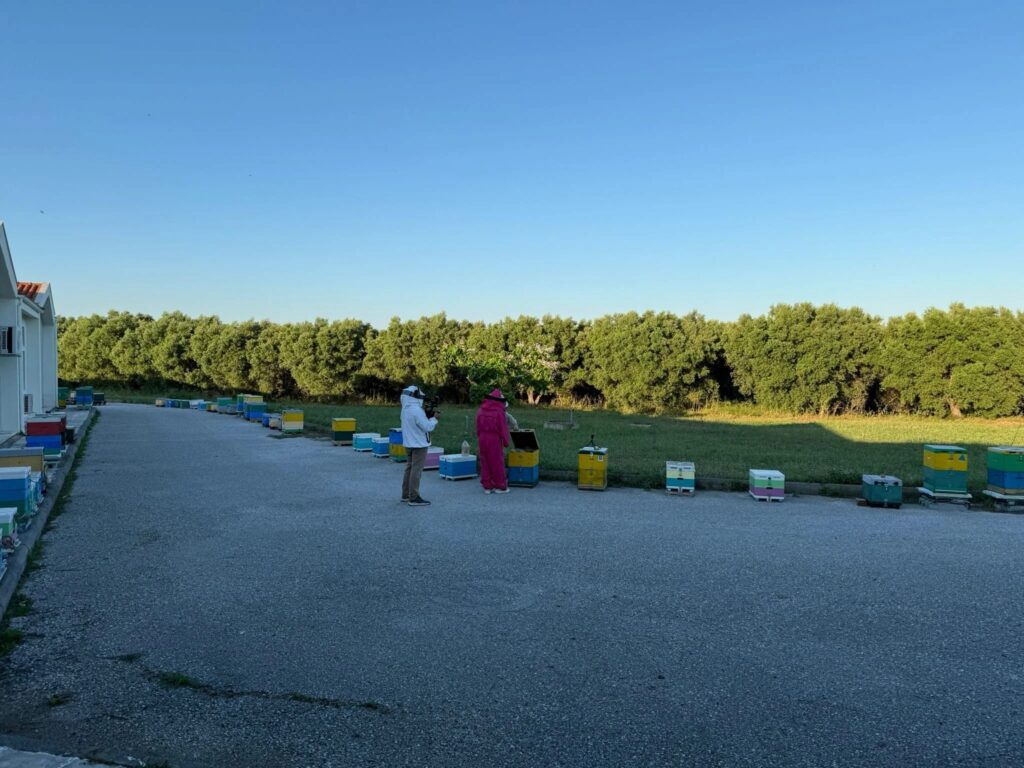
As digital infrastructures expand rapidly, questions are emerging about their interaction with living systems. A new study from the ETAIN Project takes a closer look at what happens when insects are exposed to radiofrequency electromagnetic fields (RF-EMF) associated with 5G technologies.
The research focuses on insects as key ecological indicators, given their essential role in pollination, food systems, and ecosystem stability. Using controlled laboratory conditions, the study examines behavioural and physiological responses of insects when exposed to RF-EMF within ranges relevant to current and emerging mobile communication networks.
Rather than drawing premature conclusions, the study emphasises careful experimental design, reproducibility, and transparent exposure assessment. This approach helps address existing gaps in scientific knowledge, where results have often been inconsistent due to methodological differences. By refining protocols and measurement techniques, ETAIN contributes to improving the quality and comparability of research in this field.
Beyond the laboratory, the study is framed within a broader planetary health perspective. It highlights the need to assess technological innovation not only in terms of performance and efficiency, but also through its potential environmental and ecological effects. Insects, as highly sensitive and widely distributed organisms, offer valuable insights into these interactions.
This work represents an important step in ETAIN’s wider mission: supporting evidence-based dialogue on digitalisation, environmental sustainability, and health. By strengthening the scientific basis for assessment, the project aims to inform policymakers, researchers, and society at large as decisions about future connectivity are made.
more information: https://www.etainproject.eu/news/what-happens-when-insects-meet-5g-etain-new-study-takes-a-closer-look