Why do some people readily accept 5G and use it without a second thought, while others worry about the potential effects that 5G may have on their physical and psychological health? How do these groups differ from each other, and how can we better respond to their concerns, particularly with tailored risk communication?
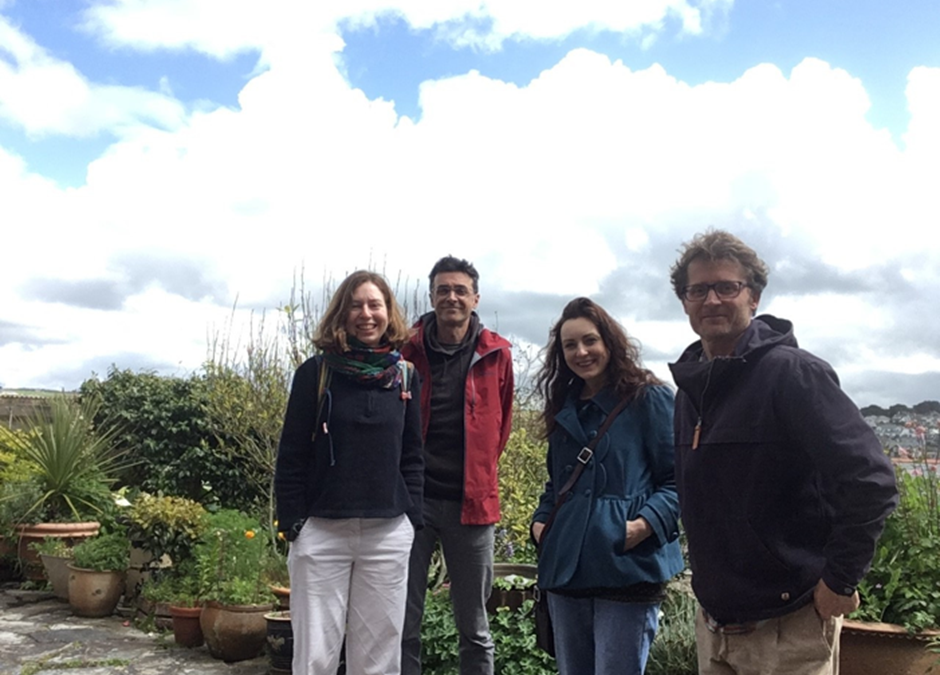
Task 6.2 of Project GOLIAT focuses on constructing the mental models of EMF experts and EMF non-experts regarding 5G technology and its effects on health. Our core team consists of Matt White and Nina Vaupotic at the University of Vienna and James Grellier and Leanne Martin at the University of Exeter, with many collaborators around the globe actively contributing to our mental models study.
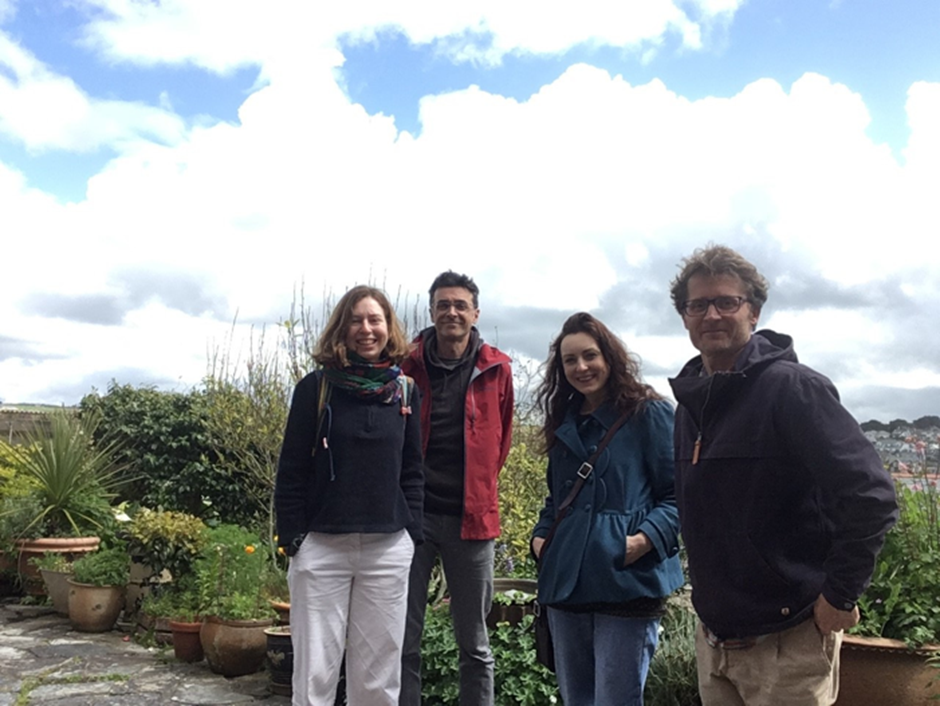
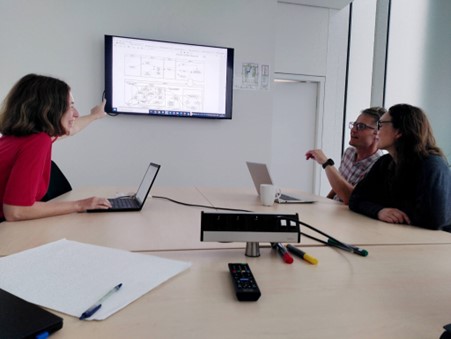
The core team during our in-person team meeting in Perranporth, UK in May 2023.
Our main objective is to create mental models, or representations, of people’s knowledge, beliefs, and opinions about 5G technology and its effects on health among different groups of people: EMF experts, EMF non-experts, and EMF non-experts who self-identify as electrosensitive. We aim to identify (1) the misconceptions of EMF non-experts and (2) aspects of EMF non-experts’ beliefs and concerns that EMF experts may not be aware of.
How do we elicit mental models?
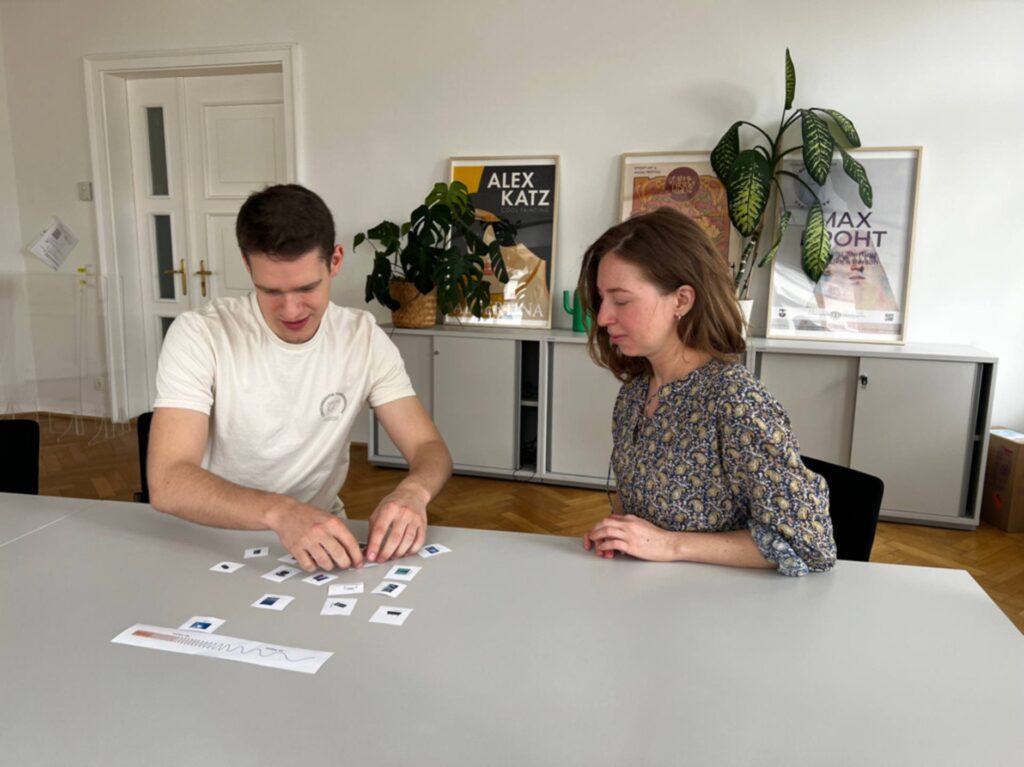
We carried out semi-structured interviews where we encouraged interviewees (EMF experts and EMF non-experts) to share their knowledge, opinions, and thoughts. We first asked the interviewees to do a ranking task on the topic of electromagnetic frequencies, which prepared them for the topic of the interview. We then asked them about different potential benefits and drawbacks of 5G, as well as about their own behaviour in relation to 5G.
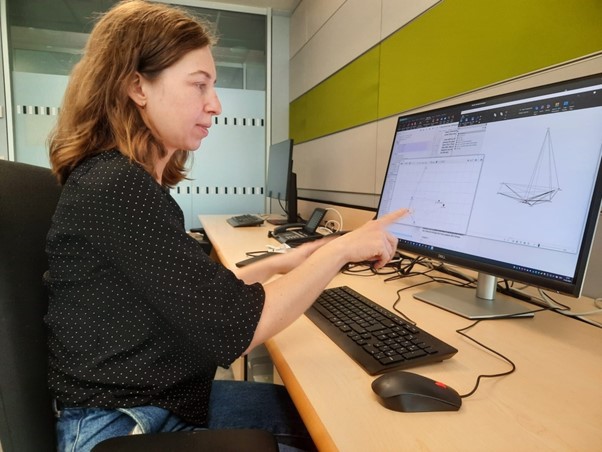
Interviewees ranked different objects according to how much EMF they thought they were emitting. The photo above was taken during a mock interview between Nina (the interviewer) and Oscar (the interviewee).
In total, we conducted 10 interviews with EMF experts, 23 interviews with EMF non-experts and 3 interviews with EHS individuals. We are grateful to our partners in Spain, Japan and Poland who helped us with conducting interviews in their countries.
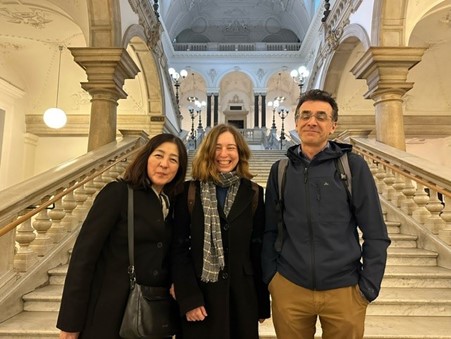
Noriko Kojimahara visited Matt and Nina in Vienna, Austria, in March 2024.
How did we analyse the qualitative data?
The interviews were audio-recorded (with the approval of the interviewees) and later transcribed into text. We used MAXQDA 2024 (VERBI Software, 2021) to analyse the transcriptions. In the first step, we familiarized ourselves with the interview data and began to recognize recurring themes such as health effects, economic benefits, and general worries. We investigated whether these themes repeatedly appeared in the interviews. This process led to the development of a coding scheme, which we continuously adapted and tested with new data to ensure its accuracy and relevance. For instance, we had to make sure that the topics one coder recognizes in the interview texts would also be recognized by other independent coders.
Each face-to-face team meeting was used for fruitful discussions that moved the project forward.
How do we construct mental models?
With the assistance of the MAXQDA software, we analysed which topics were frequently mentioned together and by which groups of interviewees. Drawing on connections between topics and literature reviews, we crafted a mental model representing the knowledge, beliefs, and opinions of both EMF experts and non-experts.
Qualitative data analyses were conducted to support the development of mental models.
Why is it this important?
Comparing the mental models of EMF experts and EMF non-experts enabled us to identify misconceptions regarding 5G and health, which were then integrated into a public survey to estimate their prevalence. Additionally, identifying the factors contributing to public acceptance of 5G can provide valuable insights into understanding why some of EMF non-experts are concerned. Ultimately, we hope to contribute to targeted risk communication, better tailored to respond to EMF non-experts’ beliefs and concerns about 5G.
We are working on our manuscript and look forward to sharing the results with you soon!
BioEM Society recently published a call to support Short Term Mission of Students or Early Stage Researchers (STM) coming from Low-Middle income countries. STM intends to support individual mobility of students or early stage researchers (ESR) among the different research groups worldwide in the low-middle income countries. ESRs should have completed their PhD no more than five years ago.
The recipients of the grant will learn new techniques and specific procedures, gain access to specific data, instruments and/or methodologies not available in their own laboratories. The duration of the STM should be at least 14 days, preferable 1 month. Longer periods are also allowed if the STM grant will be combined with other funding sources. The recipients of the grant will receive € 3.500
Applications are welcomed from 10 September 2024 to 01 November 2024. Results will be notified on 16 December 2024.
Check BioEM’s website to find more information about the application and the selection procedures.
We are delighted to announce BioEM 2024, the premier international conference in the field of bioelectromagnetics, taking place from June 16th to 21st, 2024, in the picturesque city of Chania, on the beautiful island of Crete, Greece.
BioEM is renowned as the largest and most significant global conference in bioelectromagnetics, drawing participants from academia and industry worldwide. BioEM 2024 marks the third annual meeting of the new BIOEM Society, a merger between the Bioelectromagnetics Society (BEMS) and the European BioElectromagnetics Association (EBEA).
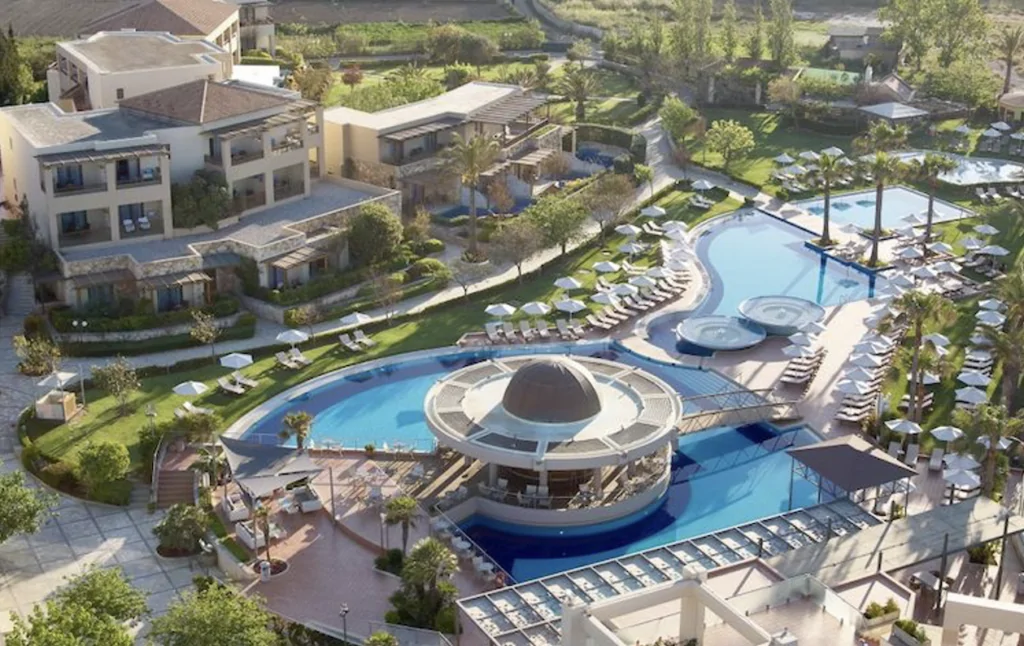
The conference will be hosted at the luxurious Minoa Palace Resort Hotel, a 5-star beachfront property in Platanias, just 12km west of Chania and a 30-minute drive from Chania International Airport. The Minoa Palace Conference Center offers state-of-the-art facilities, cutting-edge design, and a stunning view of the Aegean Sea, making it an ideal venue for conferences, workshops, and exhibitions.
BioEM 2024 promises an enriching experience, facilitating the exchange of scientific knowledge, highlighting the latest research, and fostering professional relationships. The five-day program will feature invited talks by renowned scientists, special sessions, workshops, tutorials, technical and poster sessions, and social events.
A special focus will be on student contributions, nurturing the next generation of researchers. Students will have opportunities to present their work, enhance presentation skills, engage in competitions, and network with peers from around the world.
Beyond the conference, BioEM 2024 invites you to explore the historical city of Chania, the second largest in Crete and a popular tourist destination. Crete, the birthplace of the ancient Minoan civilization, offers a unique blend of history, culture, mountains, and sea. Its strategic location has made it a cultural crossroads where myths and history intertwine, making every corner of the island a story waiting to be discovered.
We look forward to welcoming you to BioEM 2024 in Chania, Crete, for an unforgettable scientific and cultural experience.
For more information please visit the BioEM 2024 official site!
This webinar will be an opportunity to learn about the recent results of the SEAWAVE project on exposure assessments and their analysis. The seminar will focus first on exposures induced by base station antennas. Various presentations will discuss and analyze frequency-selective measurements carried out in Europe, not only via spot measurement outside or inside buildings, but also while walking in commercial areas and in public places, during car journeys or on public transportation. Participation in this webinar is free but requires prior registration. More information about the webinar and the way to participate, you can find here!
The goal of the course is to empower participants to apply epidemiological approaches with confidence. Focus of the course is on electromagnetic fields and health, for which there will be in-depth review, in sights and discussion of key aspects: from exposure assessment to potential health effects, including exposure misclassification, biological interaction and mechanisms, risk perception, planetary health, evidence synthesis and guideline development. Special attention will be given to the practical implementation of epidemiological research on electromagnetic fields and health in realistic settings. The course will be taught by renowned international experts. Participants will have plenty of opportunities to closely interact with the lecturers during the week. Participants will enjoy an intense learning experience in a unique historical environment.
Award for the best poster presentation
All participants are invited to bring a poster on their current research topic, and one session will be devoted the presentation of these posters. All posters will be introduced by a 3-minute oral presentation. A Scientific Committee will award the author of the best poster.
Only 100 seats available!
We encourage you to express your interest in participating as soon as possible, since the seat availability will be limited to 100. Detailed info about registration, abstract submission, food and lodging in Erice, as well as on how to reach the Ettore Majorana Center will be distributed in due time and are available at www.eisbem.eu.
A technical digest (with ISBN code) collecting contributions of teachers and participants will be provided.
Fellowships
Fellowships will be offered for students from lowor middle-income countries.
Participation Fee
1,200 €
The Registration fee will cover the attendance of all sessions, full board and lodging, a ‘half-day excursion’ and social dinner.
Application
Interested candidates should send an e-mail to the Directors of the Course at school2024@eisbem.eu, including:
A short Curriculum Vitae
Scientific interest of the candidate
Students: a letter of recommendation of a Senior Scientist